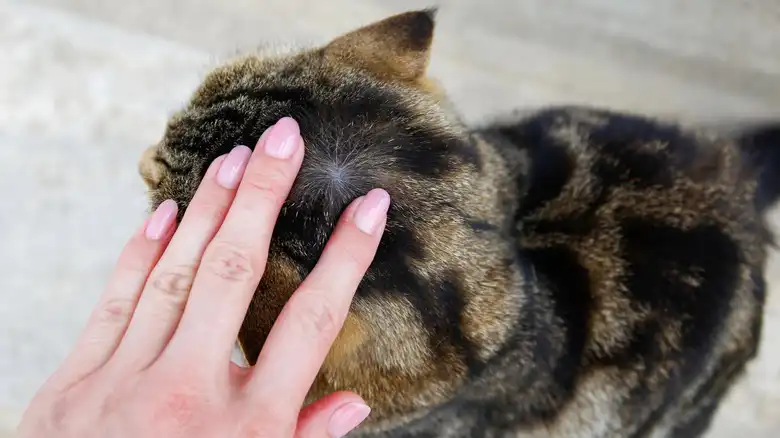
Home Remedies For Lice Treatments For Kittens
CatsCat HealthHome Remedies For Lice Treatments For KittensBySanaphay RattanavongUpdated: Nov. 27, 2024 2:22 pm ESTVictoria 1/ShutterstockWe may receive a commission on purchases made from links.Although less common than fleas, lice infestations in kittens are serious enough to warrant quick action. These tiny, wingless insects — felicola subrostratus, a type of chewing louse — spend their entire three-to-four week life cycle on the host animal, feeding on their skin. In addition to being gross, a lice infestation can lead to complications like severe skin irritation, hair loss, secondary infections, or anemia, particularly in young kittens who are vulnerable. This is why early detection is crucial. Some signs of a lice infestation in a kitten include excessive scratching, biting, or grooming, as well as patchy hair loss and a scruffy coat.Typical lice treatment is similar to the way one gets rid of fleas in kittens. It involves a multi-week course of washing the animal with medicated shampoo and applying topical anti-parasticic medications like fipronil, selamectin. However, young kittens may not be old enough to receive some of these treatments. The FDA specifically approves selamectin and fipronil for cats that are at least 8-weeks old. Although some vets may make exceptions, if your kitten is younger than this and dealing with a lice infestation, certain at home-remedies may be able to help. Treat your kitten's lice at homeAnton Pentegov/ShutterstockOne of the safest ways to manage a lice infestation is with a comb. Twice a day, use a fine-toothed flea comb like Kopal Stainless Steel Pet Lice Comb and run the tool from the top-to-bottom of your cat, targeting hard-to-reach areas like the head, neck, and tail. It may help to wash them beforehand to wash your cat with warm water and dish soap to wet the fur. Repeat this process for several weeks until another lice life cycle has completed and you can verify all new nymphs are gone. Keep in mind that kittens under 6 weeks of age are vulnerable to developing hypothermia, so be sure to towel dry them completely after every bath. According to pet parents, you can make combing the nits easier by applying olive oil to dry fur before a wash. Some claim this method will suffocate the lice, but there has yet to be any scientific studies that prove this. In any case, olive oil won't hurt your kitten and may soften their fur enough to make the experience more comfortable. Leave the oil on for 15 minutes before rinsing it off with warm water and apply at gentle soap that is safe for cats. Perform this treatment twice weekly for up to three weeks. In addition to these remedies, deep cleaning your house is critical to prevent reinfestation. Wash all bedding, toys, and grooming tools in hot water, vacuum thoroughly, and consider using a vet-approved environmental spray. Furthermore, if you have multiple cats, isolation is key if one is dealing with lice and the others are not. Keep the infested kitten separate until you can verify they no longer have an infestation. When used together, these measures can effectively manage lice while minimizing risks to your household.
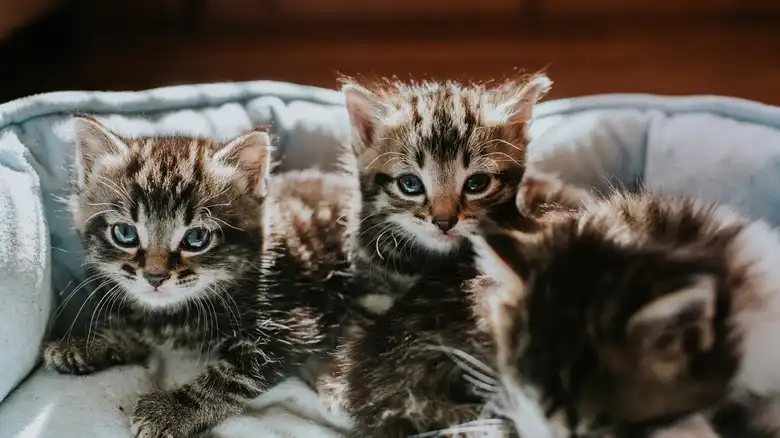
How Many Kittens Should You Expect Your Pregnant Cat To Have? It Depends, But There's An Average
CatsCat HealthHow Many Kittens Should You Expect Your Pregnant Cat To Have? It Depends, But There's An AverageByPaige MountainOct. 15, 2024 9:25 am ESTCatherine Falls Commercial/Getty ImagesIf your cat is pregnant, you are probably wondering how many kittens you should be prepared for her to have. Kitten litters are always going to vary in size, as the number of kittens a cat has depends on a number of factors. However, the average number of kittens a cat typically has is four. Cats usually give birth to around three to six kittens per litter, according to petMD, but it's possible for them to have fewer or more.When it comes to the number of kittens a mom has, trying to predict it isn't an exact science. However, factors such as age, breed, and health can play a role. Whether this is her first litter or if she's had babies in the past can also influence the amount of kittens a cat has. Read on to learn about some of the components that can impact the number of kittens in a litter.First litterBozhdb/Getty ImagesOne factor that can impact the amount of kittens a cat has is whether or not she has had babies before. Typically, a new mama cat's first litter is going to be on the smaller size in comparison to a mom who already had kittens in the past. If it is your cat's first litter, she may only have around one to three kittens, per Cats.com. If your cat hasn't been pregnant before, you might not know what to expect or how to tell if she is pregnant. Some signs to look out for include vomiting, weight gain, swollen pink nipples, and possible behavioral changes such as being overly affectionate. If you suspect your cat could be pregnant, take her to a vet where they can conduct an ultrasound to conclude if your cat is pregnant. You should be aware, however, that an ultrasound will not be able to tell you how many kittens your mama cat is expecting, just if she is pregnant or not.AgeTatyana Soares/ShutterstockAnother major component that determines how many kittens a cat has is her age. Even though a younger cat may have a small litter if it's her first, younger moms also tend to have bigger litters after their initial one. When cats start to get older, their litter size tends to decrease.Cats are able to get pregnant when they start their heat cycle, so it's important to know that this can occur when they are very young kittens. While heat cycles usually start around somewhere between the five to nine month mark, some kittens can start them as young as three months old, per petMD. Unlike humans, cats do not experience menopause, meaning it's possible for them to still get pregnant even in their senior years. However, pregnancy can negatively impact the health of an older cat. To prevent pregnancy, get your feline spayed as soon as possible to stop your cat from being in heat.Health and stressnoraismail/ShutterstockThe overall health of your cat can also influence how many kittens she may have. If your cat is sick or dealing with an underlying condition, there's a chance she could give birth to a smaller litter. Cats that are malnourished will also likely have a litter that leans on the smaller side, and they are more inclined to experience pregnancy complications.Stress is another factor that can affect the amount of kittens your kitty has. If your cat is stressed out, there's a chance she will also give birth to a litter that is smaller than normal. There are multiple signs that could indicate your cat is stressed, with a few of them being overgrooming, aggression, going to the bathroom outside the litter box, and hiding. If your pregnant cat appears to show any signs of stress, take her to the vet to rule out any problems she could be facing and to figure out what is potentially causing her stress.Breed and geneticsWestend61/Getty ImagesThe breed of your cat can also help determine the amount of kittens she is going to have. Tammy Sadek, a veterinarian, told Chewy, "Siamese-type cat breeds often have larger litters, Persian-type cat breeds often have smaller litters and Manx cats lose one-fourth of the kittens in every litter if bred tailless to tailless." Other breeds that are prone to having larger litters include the Burmese, Abyssinian, Ragdoll, Maine Coon, and Oriental Shorthair.Along with breed, genetics can also be a factor when it comes to how many kittens a mama cat will have. Knowing how many kittens your cat's mother had when she was pregnant can be helpful in determining the amount yours will have, but might not always be completely accurate. There's a high chance you most likely don't know the extensive genetic history of your feline, so it's best to not get fully set on a certain amount of kittens before your cat gives birth.Number of suitorsFernando Trabanco Fotografía/Getty ImagesWhen a cat is pregnant, there's a chance the kittens could be from multiple different fathers. It's possible for female cats to get pregnant from more than one male cat and give birth to all the kittens in a single litter, a process called superfecundation. The number of kittens belonging to a certain father can vary, but it's possible for each kitten in a litter to have a different dad.Superfecundation can also impact a cat's final litter size. Since a mama cat can be impregnated by multiple different tomcats and give birth to their kittens all in one litter, she'll likely have more babies with those multiple fathers than she would if her kittens shared a single father. The father's genes can also influence the number of kittens in a litter, just like a mother cat's fertility does.
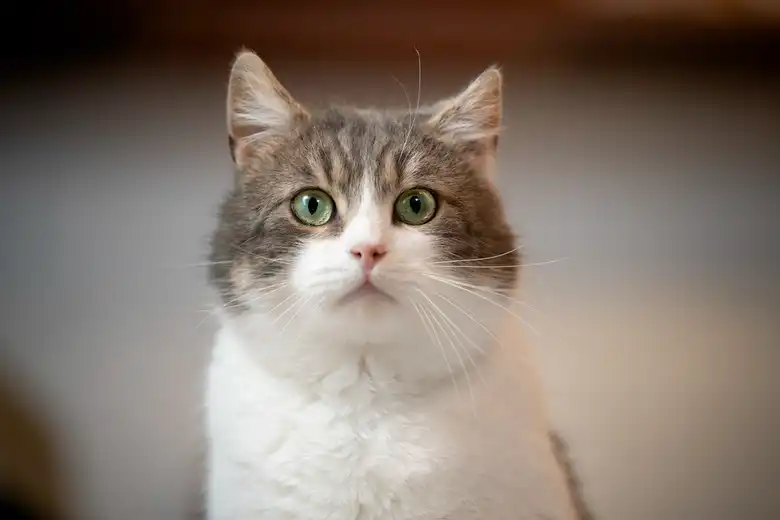
Pica In Cats: Why Is My Cat Chewing On Non-Food Items?
CatsCat HealthPica In Cats: Why Is My Cat Chewing On Non-Food Items?BySassafras LowreySep 11, 2023 11:03 am ESTAnita Kot/Moment/GettyImages #p68241d5e113c826a5653e8a1a47a5253, #p68241d5e113c826a5653e8a1a47a5253 img { aspect-ratio: 6000/4000; height: auto; } In This ArticleWhat is pica in cats?Symptoms of pica in catsCauses of pica in catsHow to treat picaWhen to see a veterinarianThe bottom lineDo you have a cat who eats things they shouldn't? Although cats might bite or mouth at toys while they are playing, some cats don't just play with their mouth but they will chew and eat objects that are not food. Eating things, they find around the house can be very dangerous for cats and stressful for cat parents.What is pica in cats?What is pica in cats?Pica is a disorder that causes cats to chew and ingest non-food items. This condition can be dangerous for cats and is frustrating for cat guardians. Cats who struggle with pica will chew on, suck on, and often eat objects that are not food. Because what they are eating isn't edible, pica can make cats very sick from consuming objects that can't be digested. Eating things that are not food can cause cats to choke, or become ill. Cats may eat objects that can cause dangerous gastrointestinal obstructions requiring surgery to remove.More Like ThisCatsWhat Makes a Cat Stop Eating?CatsWhy Does My Cat Suck on Blankets?CatsWhy Is My Cat Licking Things?Symptoms of pica in catsSymptoms of pica in catsThe primary signs of pica to watch for is the behavior of eating, sucking, or chewing on objects that aren't food. If you notice that your cat is chewing on or trying to eat things they shouldn't, it's important to remove those objects from your cat's area immediately. Cats who eat objects that are not food can become very sick. Objects eaten can lead to intestinal blockages which are very serious. If cats eat objects that are not food, they may be choking, vomiting, have diarrhea, constipation, be straining to go to the bathroom in the litter box, or otherwise seem lethargic and unwell.Alex Walker/Moment/GettyImages #e8c06d5ba5cb493b4f1f4f79fd9fa5ece, #e8c06d5ba5cb493b4f1f4f79fd9fa5ece img { display: block; aspect-ratio: 1.3333333333333Causes of pica in catsCauses of pica in catsThere are a variety of reasons cats might develop pica. Some cats temporarily will show pica symptoms when they are young kittens and are teething, and pica is common in cats who experienced early weaning, or being separated from their mother and littermates too soon. Pica can be the result of a cat having anemia or being malnourished and have nutritional deficiencies in their diet. Some domestic cat breeds may have a genetic predisposition to pica. Cat breeds that commonly struggle with pica tend to be the "oriental" breeds, specifically Burmese and Siamese cats. Cats may also develop pica and pica behaviors in response to stress and anxiety when moving to a new home, or other stressful situations. For some cats wool sucking, or chewing on non-food items can become a compulsive disorder.Louise LeGresley/Moment/GettyImages #e56a6f229208235ae5e36273c82e07d0e, #e56a6f229208235ae5e36273c82e07d0e img { display: block; aspect-ratio: 1.500150466446How to treat pica in catsHow to treat pica in catsTreating pica in cats can be tricky because it's not always obvious what the cause is. To appropriately treat a cat's pica behavior, you and your veterinarian will need to determine the underlying medical conditions causing your cat to eat things that they shouldn't. Your veteran will likely run bloodwork and other tests to make sure your cat doesn't have health issues. This will allow your vet to determine your cat has nutritional deficiencies that could be leading to the behavior. Your vet will review your cat's diet and may recommend changing cat food.Prevention is key for keeping your cat safe. If your cat has pica you will need to be diligent with cat-proofing your home and removing objects that your cat could chew or eat from areas of your home where your cat is including electrical cords, shoelaces, plastic bags, rubber bands, and other dangerous objects. Instead you'll want to provide lots of safe cat toys and enrichment opportunities including safe chew toys, and cat trees for appropriate playtime. You'll also want to reduce the stress that your cat experiences as anxiety can be a component of leading cats to nibble things they shouldn't. In some cases, your cat's veterinarian may prescribe anti-anxiety medication for your cat, or refer you to an animal behaviorist if that is believed to be an underlying cause of the behavior.Hugo Abad/Moment/GettyImages #ec29d2d30a1a76c5c9cbbd3bd69dbd91b, #ec29d2d30a1a76c5c9cbbd3bd69dbd91b img { display: block; aspect-ratio: 1.5When to see a veterinarianWhen to see a veterinarianAny unusual behavior from your cat should be brought to your veterinarian's attention. Your veterinarian will be able to run tests to determine if your cat has any health conditions that are leading to the pica behaviors. If you know that your cat has been chewing on or trying to eat things that are not food and is acting lethargic, vomiting, or seems unwell, contact a veterinarian immediately. This could be a sign that your cat has an obstruction and needs immediate veterinary care, possibly surgery. In that case your cat will be examined, and if there is an obstruction which could be life-threatening.Abraham Gonzalez Fernandez/Moment/GettyImages #e14cb4120713e465ec8d9dc36fb1773bb, #e14cb4120713e465ec8d9dc36fb1773bb img { display: block; aspect-ratio: 1.5002675227394The bottom lineThe bottom lineIf you notice that your cat is starting to chew on objects or eat things that are not food your cat may be struggling with pica. Pica can occur in cats who are struggling with anxiety, were weaned too early, or who are struggling with stress and anxiety. Pica is a dangerous behavior for cats because the non-food things that cats eat can make them very sick. Cats can ingest objects that will cause them to choke. Cats can also eat items that are too large to pass and cause intestinal blockages that require emergency surgery.
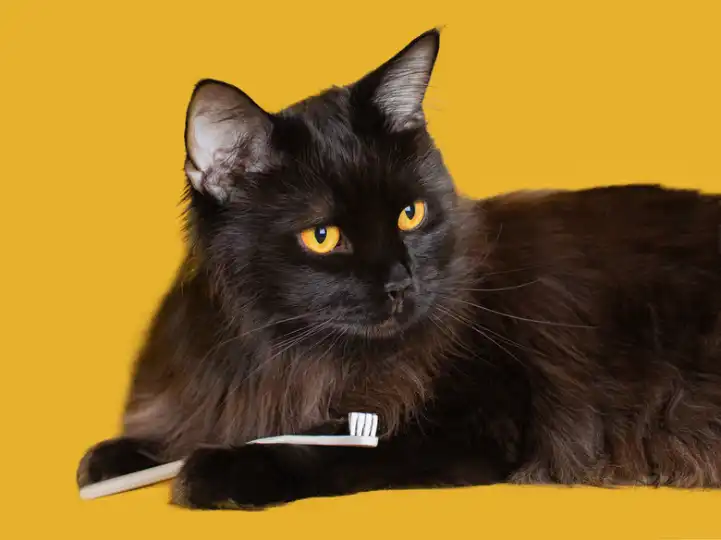
Should I Brush My Cat's Teeth? How Often, And How Do I Do It?
CatsCat HealthShould I Brush My Cat's Teeth? How Often, And How Do I Do It?BySassafras LowreySep 9, 2023 11:03 am ESTEkaterina Ilchenko/iStock/GettyImages #p8ac19f9776bee2017ca7aac98300db9b, #p8ac19f9776bee2017ca7aac98300db9b img { aspect-ratio: 5334/4000; height: auto; } In This ArticleShould you brush your cat's teeth?How often should you brush your cat's teeth?Supplies neededIntroducing your cat to toothbrushingIf your cat says noThe bottom lineFeline dental disease is a major problem for cats. According to veterinary studies, between 50 and 90% of cats over the age of 4 have some kind of dental disease. As a result, all cat parents should be thinking about their cat's dental health. Just like we brush our teeth daily, should you also be brushing your cat's teeth?Should you brush your cat's teeth?Should you brush your cat's teeth?Yes! Brushing your cat's teeth is the best way to protect your cat's oral health. Brushing your cat's teeth removes plaque which prevents the buildup of tartar. Keeping your cat's teeth clean with regular brushing helps prevent gum diseases such as gingivitis and other periodontal disease. Regular brushing of your cat's teeth can help prevent bad breath, tooth loss, and oral discomfort. Keeping your cat's mouth clean also makes it more comfortable. Although brushing your cat's teeth is important for keeping your cat's mouth healthy it doesn't eliminate the need for professional teeth examinations and cleaning by your cat's veterinarian.More Like ThisCatsHome Remedy for Feline GingivitisCatsCat Toothbrushes Are a Thing, and Every Cat Deserves OneDogsToothpastes Your Cat Will Tolerate—or Even LoveCris Cantón/Moment/GettyImages #e2d7616dbbb8a1dac6d800cd3021a93d8, #e2d7616dbbb8a1dac6d800cd3021a93d8 img { display: block; aspect-ratio: 1.5How often should you brush your cat's teeth?How often should you brush your cat's teeth?To keep your cat's teeth clean and healthy it's best to make time to regularly brush your cat's teeth. If possible it's ideal to brush your cat's teeth twice a day. Setting a goal of trice a day brushing is great, but whatever brushing you can do is better than nothing. An easy way to incorporate toothbrushing into your cat's schedule is to brush teeth when you feed your cat breakfast and dinner.Supplies needed for cat tooth brushingSupplies needed for cat tooth brushingFor brushing your cat's teeth you're going to need a toothbrush and toothpaste. Cat toothbrushes come in two options. The first kind of cat toothbrush has a long handle and resembles a human toothbrush. The second option is a finger brush that slips over your finger and has soft bristles on the end. Either toothbrush option works well; it just depends on your preferences and what your cat finds most comfortable. Don't ever use people's toothpaste as it contains ingredients that are toxic for cats.For brushing your cat's teeth, only use cat toothpaste and never human toothpaste. Cat toothpaste is made to be safe for cats, and flavors cats like. Cat toothpaste is available in a variety of flavors that are attractive to cats. These flavors often include chicken, seafood, beef, and other cat-attracting flavors.Petra Richli/iStock/GettyImages #e2c806dc07eae2a0983a8dddcc158e9e3, #e2c806dc07eae2a0983a8dddcc158e9e3 img { display: block; aspect-ratio: 1.0311936065996Introducing your cat to tooth brushingIntroducing your cat to tooth brushingWhen introducing tooth brushing into your cat's routine, it's important to go slowly and make sure that your cat is comfortable with the process. Start by massaging and rubbing your cat's cheeks and mouth area while you are cuddling. Praise and reward your cat with kitty treats for letting you touch their mouth area including teeth and gum line.When your cat is used to their mouth being handled, it's time to start introducing toothbrushing. If possible it's best to introduce your cat to their mouth being handled, and teeth being brushed when they are young kittens. When brushing your cat's teeth, pay attention to your cat's body language while you are brushing to make sure that your cat is comfortable. If your cat becomes uncomfortable or upset, stop toothbrushing and try again another time.First, put the toothbrush of choice out for your cat to explore. Praise and give your cat treats for any interest in the toothbrush. Then, put the cat toothpaste on your cat's toothbrush. Just like you have done with massaging and touching your cat's mouth area, do the same thing but with the toothbrush. Praise and treat your cat for letting you brush their mouth.Lightspruch/iStock/GettyImages #e691bd6d44435bb32dd903e86890a6571, #e691bd6d44435bb32dd903e86890a6571 img { display: block; aspect-ratio: 1.5151515151515Options for if your cat says noOptions for if your cat says noIf your cat's teeth can't be brushed because your cat is stressed or uncomfortable by the process there are other dental product options available. While tooth brushing is the best way to keep your cat's teeth clean you can also look into dental water additives made for cats. Some dry cat foods and crunchy cat treat or chews are designed to clean a cat's teeth. These treats and additives can help improve your cat's dental health. If your cat isn't comfortable having their teeth brushed, talk with your cat's veterinarian about what the best option for your cat's dental care at home will be.Iuliia Alekseeva/iStock/GettyImages #e8d4c9356fbffb6f30e2bb571d53af85c, #e8d4c9356fbffb6f30e2bb571d53af85c img { display: block; aspect-ratio: 1.504The bottom lineThe bottom lineDental disease is a serious issue for cats. To improve your cat's oral hygiene and prevent periodontal disease, consider adding tooth brushing into your cat's regular routine. Daily brushing of your cat's teeth can remove plaque and prevent tartar from building up on your cat's teeth. Prepare your cat for tooth brushing by first exposing your cat to their mouth being touched. Then when your cat is comfortable introduce the toothbrush. For brushing your cat's teeth, you should only use toothbrushes and toothpaste specifically designed for cats.

Are Peace Lilies Toxic To Cats? What You Need To Know About Peace Lily Toxicity
CatsCat HealthAre Peace Lilies Toxic To Cats? What You Need To Know About Peace Lily ToxicityByBarbara Bean-MellingerUpdated Mar 17, 2023Peace lilies, with their white flowers waving like white flags of peace, symbolize inner harmony and healing in many cultures. Just don't expect them to bring inner harmony to your pets. Peace lilies make the list of poisonous plants for dogs and cats because of the stomach upset and other distressing symptoms they bring to those who chew on the plant's leaves and flowers.Nils Jacobi/iStock/GettyImages #e29e2f9bb136da663fbbe494a9a1f3e42, #e29e2f9bb136da663fbbe494a9a1f3e42 img { display: block; aspect-ratio: 1.4979016786571Is the peace lily pet-safe?Is the peace lily pet-safe?Also known as the Mauna Loa plant, white sails, and their scientific name Spathiphyllum, peace lilies are most definitely not pet-safe. When an animal chews on the leaves, insoluble calcium oxalate crystals are released, and animals immediately feel an intense burning of the mouth, lips, tongue, and throat. This can be followed by an extreme amount of drooling, foaming, vomiting, and diarrhea. It should be noted, however, that cats and dogs will often vomit after eating any plant or parts of a plant regardless of whether the plant is considered to be toxic or nontoxic to them.Rare side effect of difficulty breathingRare side effect of difficulty breathingIn general, peace lilies are considered to be only mildly toxic to cats and dogs. They will probably cause your pet to vomit, but your pet is not in any real danger. An exception to watch for, though, is if your pet seems to be having trouble breathing. This can happen when the animal's throat becomes inflamed and swollen from the calcium oxalate crystals. If your pet appears to be in respiratory distress or if you aren't sure, that warrants at least a call to your vet for advice and probably a visit to be safe.Identifying peace liliesnalinratphi/iStock/Getty Images #pfc423b008a4112659b45fc8dc6b86985, #pfc423b008a4112659b45fc8dc6b86985 img { aspect-ratio: 2122/1415; height: auto; }Identifying peace liliesPeace lilies are recognized by their erect white curved flowers and typically shiny emerald-green leaves. The flowers, which are usually white, serve as a hood to protect the spadix or spathe, which is the spike of small flowers held upright in the center. As the flowers age, the spathe fades to green. While most peace lily plants have lush green leaves, some varieties have tinges or stripes of cream in the center of the leaves. Plants can grow to be up to 3 feet tall.Cats cannot digest plant materialsCats cannot digest plant materialsCats in particular are carnivores, and their gastrointestinal tracts are not suited to digesting plant material, so they will vomit any they ingest. In addition, cats require the amino acid taurine, which is only found in meat sources. When cats experience a taurine deficiency, they can develop dilated cardiomyopathy, or a weakened heart muscle, which is fatal if not corrected. Dogs also need taurine, but their bodies can produce it from two other amino acids, which cats cannot do.Other lilies can be deadlyOther lilies can be deadlyPlants in the "true lily" and "daylily" families can cause kidney failure in cats and should be considered too dangerous to have in your home or garden. These include Asiatic lilies and their hybrids, daylilies, Easter lilies, Japanese show lilies, Oriental lilies, rubrum lilies, stargazer lilies, tiger lilies, and wood lilies. All parts of these plants are extremely toxic, even their roots, tubers, and pollen, and licking just a small amount of water from a vase holding these lilies is also dangerous.ConstantinCornel/iStock/GettyImages #ef3ba43cd85fd3ee2dee2872343f2d03c, #ef3ba43cd85fd3ee2dee2872343f2d03c img { display: block; aspect-ratio: 1.4998397949375Gastrointestinal symptoms may start immediately or up to 12 hours after eating the dangerous plant. You might also notice listlessness and lack of appetite, including not drinking water, which then leads to dehydration. Signs of kidney failure, including dehydration and increased urination, can occur about 12 hours after ingestion. At the 18-hour point, kidney failure is likely and may be irreversible, so call your vet or take your pet to an emergency clinic or hospital as soon as you believe she's eaten a highly poisonous lily.Cat-safe plants to tryCat-safe plants to trySome plants are OK to have around cats, because even if they chew on them they won't be harmed. Try Swedish ivy, Christmas cactus, and Boston ferns. Be sure to choose the exact plant that is listed as cat-safe, though; for example, while Boston ferns are fine, other varieties of ferns can be toxic to cats. And remember that cats may still vomit any plant material, including non-toxic ones, because they can't digest it.ReferencesPet Poison Helpline: Peace LilyAmerican Society for the Prevention of Cruelty to Animals: Poisonous PlantsFlorgeous: Peace Lily Flower Meaning and SymbolismAmerican Society for the Prevention of Cruelty to Animals: Why Can't My Cat Be Vegan?U.S. Food & Drug Administration: Lovely Lilies and Curious Cats: A Dangerous CombinationBetter Homes & Gardens: Peace Lily

Are Candles Safe To Use Around Pets? Here's What We Know
Pet ParentingAre Candles Safe To Use Around Pets? Here's What We KnowByPaige MountainOct. 7, 2024 9:25 am ESTIzalysonarts / 500px/Getty ImagesUnwinding by lighting your favorite candle and relaxing with your pets might actually cause you more stress than serenity. When it comes to burning candles around your animal companions, there are many risks to consider. Candles pose a clear fire hazard, especially amongst curious cats. If they decide to explore a lit candle, cats can get hard-to-remove wax stuck in their fur and, more severely, burn themselves. Candles, especially on low surfaces, can also cause issues with canines, with dogs also getting hard-to-get out candle wax stuck in their hair and potential burns on their paws that may require home remedies or professional treatment. Beyond these obvious dangers, many candles contain chemicals and essential oils that can be harmful to the canines and felines in your life. Essential oils that are toxic to both cats and dogs include tea tree, peppermint, cinnamon, and citrus, among others, so it's important to read candle ingredients carefully.However, just because some candles are risky for your pets doesn't mean you need to cut them out of your life for good. If kept out of reach and closely monitored, certain candles can be okay around dogs and cats. Because many scented candles contain essential oils that could be toxic to your pet, the unscented variety are the best bet when it comes to your furry friends, according to GoodRx Health. Along with opting out of scent, choosing a candle made of natural ingredients, such as beeswax, can prevent your pets from being exposed to potentially dangerous chemicals.Signs your pet might be affected by a candleIryna Imago/ShutterstockEven when using a candle that seems to have safe ingredients, dogs and cats might still have a reaction due to their heightened sense of smell. Sneezing or coughing are signs your pup or kitty could be affected by a candle. If your pet is already prone to respiratory issues, burning candles can also worsen these problems. While these effects are only mild, it's important to watch for more serious signs your pet might be experiencing.If your dog or cat vomits, appears lethargic, experiences difficulty walking or breathing, exhibits muscle tremors, or has a burn, you should contact your vet right away, as these could be signs of essential oil poisoning. While candles with essential oils are dangerous to all pets, they can be especially harmful to cats. Many essential oils metabolize through the liver, and cats do not have the necessary enzymes to metabolize them properly.Candle alternatives for use around petsPixel-Shot/ShutterstockIf you'd rather not risk your pet getting burned by a candle but still want the option to use scent in your home, there are other options out there. Even though many essential oils are toxic to animals, PetMD states that some are safe to use around dogs, making diffusers a potentiel candle swap for households with canines. However, in a separate article, it recommends not using essential oils around cats (including in diffusers) due to their increased sensitivity to them.While some experts say essential oils shouldn't be used around cats at all, others, such as those interviewed by Outward Hound, say that it's fine to use pet-safe oils in moderation around both kitties and pooches. However, due to a cat's strong sense of smell, they might still be sensitive to essential oils that are considered safe. If planning on using essential oils in your home, it's best to do your research and find the best way to go about doing so safely for you and your pets.While candle ingredients may sometimes be unclear or hard to find, a diffuser allows you to control the amount of essential oils you are emitting and make sure they are pet-friendly. Or, if candles are less about scent and more about ambience for you, flameless candles are a safer way to create this effect while preventing your pet from getting injured, burned, or inhaling potentially dangerous oils. In the end, it's important to do your research and consult a vet when using any candle or candle alternative.

Is Bamboo Toxic To Cats? Lucky Bamboo Plants And Cats
CatsCat HealthIs Bamboo Toxic To Cats? Lucky Bamboo Plants And CatsByKrissy HowardUpdated Mar 24, 2023mdnsds/iStock/GettyImages #p996eadd7350c1687edb506c0cd89567b, #p996eadd7350c1687edb506c0cd89567b img { aspect-ratio: 3500/2333; height: auto; }If you're a cat owner, chances are your feline companion runs the house in his own unique way. Certain areas may be secured territory for your cat, and he may be unwelcoming to visitors, like new furry companions, inside the home. That said, if you're looking to add new life to your space, houseplants can be a great way to bring a breath of fresh air and a new design element into the home. Before you bring your potted plants home, however, it's important to research which are safe for felines, and which aren't, as many can be toxic when ingested.Plants and catsPlants and catsA cat-filled home can feel comforting and alive, and adding plants to that mix can raise the bar even higher. Not only are houseplants easy on the eyes, but many of them also offer air-purifying properties and make great additions to rooms like offices or bedrooms. When choosing the right plant for your home, however, you'll need to take special precaution to ensure that the foliage you pick is safe for your cat, as many plants can be toxic to felines and may result in symptoms like an upset stomach.Common plants to steer clear of include sage palm, lily of the valley, aloe, and devil's ivy, according to the ASPCA. Vetstreet adds that certain fern varieties, like the emerald fern and the ubiquitous philodendron, can lead to irritation of the mouth if chewed or swallowed. Before adding any new plants to a home you share with your cat, it's essential that you research the variety, especially if your feline friend is the chewing type.Is bamboo toxic to cats?Is bamboo toxic to cats?While there are certainly several plants to steer clear of for the sake of your cat's health, there are a number of non-toxic plants for cats that will make a great addition to any home. One such plant is the sturdy, easy-to-maintain, and aesthetically pleasing bamboo. Bamboo is an excellent indoor plant of choice for plant caretakers of all levels, from the novice who "can't keep anything alive" to the accomplished grower with a green thumb. Unlike poisonous houseplants, when it comes to bamboo, cats are actually not the party to keep an eye on in the relationship, as it's your feline friend who can end up being harmful to the plant, not the other way around.When it comes to cats' safety, however, not all bamboo is created equal. Unlike the ubiquitous golden bamboo you may see housed in glass dishes on countertops and windowsills, lucky bamboo is not safe for cats. Also known as Dracaena sanderiana, lucky bamboo differs from golden bamboo in that it is not actually bamboo at all, but rather, looks similar to the species for its tough stalks and bright leaves, explains Good Housekeeping.If your cat has ingested lucky bamboo, it may lead to mild to moderate symptoms, like drooling, vomiting, abdominal pain, or diarrhea, according to Pet Poison Helpline. Because the two varieties of bamboo can appear similar, it's best to either consult your veterinarian if you're worried that your bamboo is toxic or leave it out of your home altogether, just to be safe.Plants safe for catsPlants safe for catsIn addition to bamboo, there are a number of other indoor houseplants that can make for a safe addition to any cat-filled home. HGTV lists Christmas cactus, Swedish ivy, prayer plants, and areca palms, among others, as safe varieties to consider when looking to add leaves to any room. Spider plants are another easy-to-grow option, but its dangling shoots may end up taking a beating if you have a particularly paw-happy cat, so beware. Additionally, the Boston fern is also known for being non-toxic to animals, unlike other varieties of fern plants, so if you can't live without those fan-like fronds, this may be the cat-safe plant for you.Always check with your veterinarian before changing your pet's diet, medication, or physical activity routines. This information is not a substitute for a vet's opinion.ReferencesASPCA: Poisonous PlantsVetstreet: 10 Houseplants That Are Dangerous to Dogs and CatsHGTV: 20 Plants That Are Safe for Children, Cats, and DogsPet Poison Helpline: DracaenaGood Housekeeping: How to Grow Lucky Bamboo
Why Your Cat's Rear End Smells Fishy (And What To Do About It)
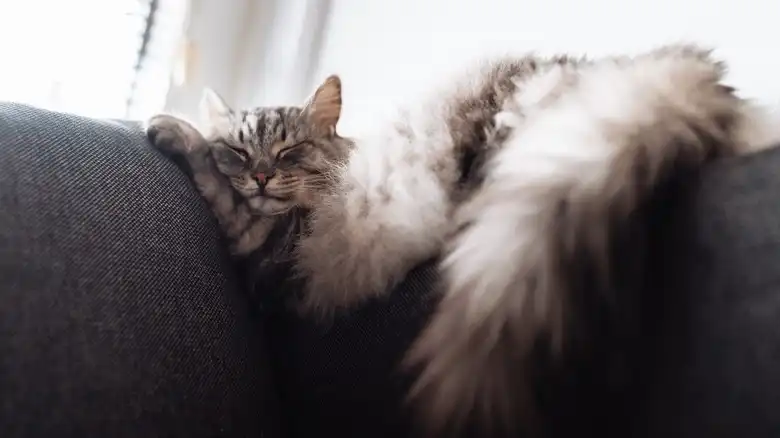
CatsCat HealthWhy Your Cat's Rear End Smells Fishy (And What To Do About It)ByCynthia AnayaNov. 11, 2024 9:25 am ESTlarisa Stefanjuk/ShutterstockSince cats groom themselves regularly, they don't typically emit foul odors, unless they spend time outdoors. However, even an indoor cat can smell funky at times — specifically their rear ends. Yes, excrement and flatulence can obviously leave a temporary, residual stench, but a fishy stench can linger for much longer, leaving you wondering about the cause.Although rare, a fishy smell can be the result of a bacterial urinary tract infection. Per Pet MD, these are more likely to occur in older cats with certain medical ailments. Aside from a fishy odor, some signs your cat is dealing with a UTI include fatigue and producing a decreased volume of urine. If you suspect your cat's smelly tush is the result of a UTI, seek immediate veterinary care. A full course of antibiotics should cure the infection and the smell.However, a much more likely reason that your cat's tush smells like fish is clogged anal glands. Anal glands are small sacs located on each side of a cat's anus, beneath the skin. These pouches produce a fluid with a potent, foul smell that's usually released naturally in the cat's stool. However, sometimes the glands become impacted and don't empty themselves as well as they should, resulting in discomfort and a foul stench. Other tell-tale signs your cat is dealing with this biting or obsessively grooming their anal area or dragging their butt across the floor. The good news is a visit with your vet or local cat groomer can resolve the issue quickly, providing some relief for your feline friend and your nose. Clear impacted anal glands to get rid of fishy odorsPixel-Shot/ShutterstockIt's important to address impacted anal glands as soon as possible. If your cat's anal glands remain blocked, it could result in an infection or abscesses. The act of emptying a cat's anal glands is referred to as "expressing." The process is relatively quick, and can be done externally or internally, usually in under a minute. An external anal gland expression involves gently pinching the glands on either side of the anus together. An internal expression, meanwhile, requires gently inserting a finger into the anus. Both methods should result in the release of a soft, fluid-like discharge from the anus. Though it might seem straightforward, it's best to consult a professional for anal gland expression, as it can be quite difficult. Plus, you don't want to accidentally injure your cat. Many vets and groomers don't require an appointment for anal gland-related services, so your feline friend may be able to get same-day relief.Veterinarians typically charge $25 or more for the service, while groomers charge as little as $8 and up, though this may vary based on location. During the visit, it helps to have someone hold the cat during the expressing, especially if the cat is skittish or dislikes having their rear end touched. Once the glands have been emptied, the fishy odor should subside. However, if you notice the smell again later, it could be a sign of an anal gland disorder or other problem. Or, your cat may just need a diet change. Talk to your veterinarian about your cat's anal glands and ask for their recommendations, such as making anal gland expression a regular part of a routine vet exam. Keep in mind that though the process only takes 30 second to complete, they may charge an additional fee for this service. A groomer can also express a pet's anal glands, either as an add-on service or standalone service.
5 Cat-Safe Houseplants To Freshen Up Your Space
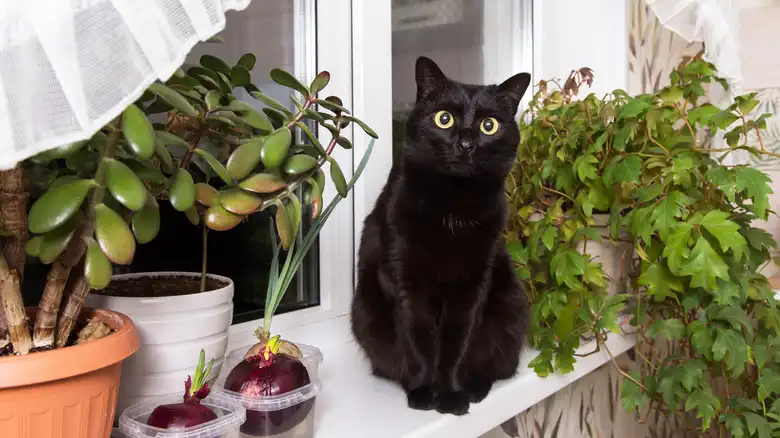
CatsCat Health5 Cat-Safe Houseplants To Freshen Up Your SpaceBySanaphay RattanavongFeb. 1, 2025 1:25 pm ESTViktor Sergeevich/ShutterstockPlant-related toxicities remain one of the most prevalent causes of emergency calls to pet poison control centers across the United States. This highlights a serious but often overlooked household safety concern. According to the ASPCA's Animal Poison Control Center, they fielded over 400,000 calls in 2023, with toxic plant exposures representing a substantial portion of these emergencies. This alarming figure underscores the hidden dangers that many common houseplants can be poisonous to cats, especially curious cats hell-bent on nibbling novel greenery.For cat parents, the challenge of creating a vibrant, plant-filled home without compromising pet safety is all too real. Thankfully, you don't have to choose between greenery and your feline friend. There are a variety of cat-safe houseplants, including five stunning ones that are not only safe for cats but also easy to care for and visually captivating. You can keep your cat and your plants living in perfect harmony. However, if you suspect your pet has ingested potentially poisonous substances, it's always best to contact Animal Poison Control.Spider plants are a classic houseplantJennifer McCallum/ShutterstockMeet your friendly neighborhood spider plant, a perennial favorite for plant enthusiasts. Known for its long, arching leaves and air-purifying qualities, this plant thrives in a variety of conditions, making it perfect for beginners. Plus, its cascading foliage adds a dynamic, elegant touch to any room. What truly sets the spider plant apart? Its resilience. Even if your fur baby manages to menace its leaves, this hardy plant can quickly bounce back, making it both beautiful and practical.Beyond its visual appeal, recent studies have highlighted the spider plant's ecological benefits. It shows resistance to pests like the two-spotted spider mite. Additionally, its adaptability to various climates underscores its resilience, even in challenging urban settings.Spider plants thrive best in bright, indirect light — though they can also handle low-light conditions — and should be watered only when the top inch of soil feels dry. Overwatering can lead to root rot, so it's essential to keep an eye on moisture levels. As is true for many plants, increased temperatures should be balanced with increased humidity. Finally, consider hanging baskets or elevated shelves to display these plants and keep them safely away from your feline friends. Additonally, these tips on getting your cat to stop eating household plants can keep them nibble-free.Boston fern, clean green for humid spacesBenoit Bruchez/ShutterstockFew plants can match the Boston fern when it comes to bringing lush greenery into your home. Moreover, it's former NASA researcher Bill Wolverton's top pick when it comes to indoor air purifying plants. With its feathery fronds and vibrant green hue, this plant adds a soothing, verdant vibe to any room. It's especially well-suited for humid areas like bathrooms or kitchens, where it can thrive in its ideal environment. Being both NASA and kitty-approved, the Boston fern is the quintessential win-win of houseplants.Beyond being a favorite among astronauts, terrestrial research underscores the Boston fern's value in maintaining healthier indoor spaces. It has been shown to reduce CO2 concentrations and stabilize air temperatures, making it a natural ally for eco-conscious homeowners. As for care, the Boston fern does best in direct light but can tolerate partial shade. Additionally, they need consistently moist soil without waterlogging. If your home tends to be dry, a quick misting routine will help raise humidity levels. Try placing your greenery near a shower or sink for the perfect balance of moisture, warmth, and cat-safe cover. If your furry friends insist on munching on the leaves, consider trying this lemon hack or aluminum foil trick to deter them.Orchids, the refined cat-friendly bloomsMaryviolet/Getty ImagesIf sophistication had a name, it would be the orchid. These graceful plants are celebrated for their long-lasting blooms, vibrant colors, and air of refinement. Thankfully, they're also generally non-toxic to cats (and dogs), making them a perfect choice for pet owners seeking a touch of elegance in their homes. With a variety of species to choose from, you're bound to find one that suits your aesthetic while keeping your feline friends out of harm's way. However, it should be noted that not all types of orchids have been tested for toxicity. While the most popular orchids have been deemed non-toxic to pets, more exotic and rare orchids should be treated with extra caution when it comes to your pets.Orchids have remarkable adaptability, including their responses to environmental stressors. These traits are due, in part, to unique genes that enhance their ability to cope with challenges like salt stress. Orchids also have fascinating ecological roles, such as their intricate relationships with pollinators like fungus gnats, showcasing the complex beauty of nature.Orchids thrive in bright, indirect sunlight, making a sunny windowsill the ideal spot for their delicate blooms. When watering, it's important to do so sparingly. Allow the soil to dry out slightly between waterings to avoid root rot. Be sure to place orchids in well-draining pots and keep them away from areas with fluctuating temperatures, as consistency is key to their health and longevity.The parlor palm, feline-safe with low-light sophisticationNew Africa/ShutterstockFor a touch of the tropics that thrives in low light, the parlor palm is a standout choice. Native to the rainforests of Guatemala and Mexico, with slender, arching fronds and a low-maintenance nature, this cat-safe plant is perfect for creating a sophisticated, calming atmosphere in your home. As a slow grower, the parlor palm doesn't demand frequent repotting or trimming. This makes it a great option for plant enthusiasts who prefer minimal upkeep.In the forests of its native Central America, the parlor palm plays an important role in forest understory biodiversity, which generally makes up the largest plant diversity in a given system. Its ability to purify air and its minimal water requirements make it an eco-friendly choice for indoor living.The parlor palm thrives in indirect light but can also tolerate lower-light conditions, making it a great choice for corners or areas without direct sunlight. Fun fact: The parlor palm got its common name from Victorian England, being able to thrive in the dim, candle- and lamp-lit parlors. Water the plant only when the top inch of soil has dried out, as overwatering can lead to root rot. For placement, consider spots with moderate light exposure, such as near a window or on a bookshelf, where its elegant fronds can be appreciated without overcrowding the space.Roses, a cat-safe classic beautyYimyimchan/Getty ImagesFew flowers evoke the charm and elegance of roses. Known for their romantic appeal, roses are surprisingly safe for cats, making them a wonderful addition to feline-friendly homes. While the flowers are non-toxic, it's wise to remove any thorns to prevent accidental injuries if your curious cat decides to investigate. Roses are possibly the planet's oldest flower with a fossil record of 30 million years. Not only is it a flower of the deep past, but also future frontiers. After spending time in space aboard NASA's Space Shuttle Discovery Flight STS-95, a rose plant dubbed "Overnight Scentsation" returned home imbued with a unique and pleasant scent that only the sustained lack of gravity could lend it. Moreover, the roses' adaptability to environmental stressors makes them not only ornamental, but also highly valuable in understanding how plants might thrive in an increasingly volatile world. Their therapeutic properties, such as antibacterial effects, further enhance their value beyond aesthetics.Roses thrive in bright, indirect sunlight, so placing them near a south- or west-facing window is ideal. They require regular watering, but it's crucial to make sure the soil drains well to prevent root rot. Once de-thorned, position them in an area with good air circulation and away from high-traffic zones to protect both the plant and your furry friend.

Pet Owners Should Keep These Types Of Air Fresheners Out Of Their Home
Pet ParentingCleaningPet Owners Should Keep These Types Of Air Fresheners Out Of Their HomeByPaige MountainOct. 6, 2024 11:25 am ESTSupersizer/Getty ImagesPlug-in air fresheners are tempting to use, especially in a household with pet smells. However, while they might help keep your home smelling nice, these items can cause hefty damage to your animal companions. Dogs and cats have a much stronger sense of smell than humans, and the overpowering fragrances found in air fresheners often contain toxins that can irritate them. Plug-in air fresheners also typically tend to be placed lower to the ground, granting pets easy access and leading to the potential ingestion of toxic chemicals.Plug-in air fresheners contain volatile organic compounds (VOCs) due to their high vapor pressure, which allows them to quickly turn from a liquid into a gas or vapor. A 2011 study published in Environmental Impact Assessment Review that examined scented household products, including air fresheners, "found 133 different VOCs emitted from the 25 products, with an average of 17 VOCs per product. Of these 133 VOCs, 24 are classified as toxic or hazardous under U.S. federal laws, and each product emitted at least one of these compounds." Most of these ingredients were not disclosed on the labels. The list of VOCs found in air fresheners includes phthalates, which are toxic to cats, and formaldehyde, which can cause respiratory and skin problems in pets.Effects of air fresheners on petsShveyn Irina/ShutterstockIf you've ever noticed your pet leaving the room after plugging an air freshener in, chances are they are impacted by the scent. If your dog or cat keeps sneezing and coughing, taken note, as these are some of the first signs that they are having a reaction to breathing in an air freshener. Other notable symptoms include gastrointestinal issues, lethargy, and discharge in the eyes or nose. Inhaling the chemicals found in air fresheners can also cause respiratory issues, especially in cats. Dr. Patrick Mahaney told PetMD, "Cats have had an increase in feline asthma as a result of living in households where there are air fresheners, incense and cigarette smoke—or even just the aroma of cleaning products."Along with inhaling the fumes, if your pet happens to get their paws on an air freshener and eat or lick it, there can be consequences. The severity of symptoms will vary depending on what and how much your pet ingests, but gastrointestinal problems, such as throwing up and diarrhea in both dogs and cats, are some of the main outcomes you can expect to see. Your pet could also experience negative effects if they get air freshener fumes on their skin or fur and proceed to groom themselves.How to keep pets safe and plug-in air freshener alternativesIzalysonarts / 500px/Getty ImagesWhen it comes to plug-in air fresheners, it's best to avoid them completely if you have pets in the home to prevent any potential issues. However, if you absolutely can't part with your scented plug-ins, take precaution when using them. Never place an air freshener near a spot your pet consistently uses, such as a litter box or their food and water bowls. Also, only plug them into outlets that your pets can't reach. If you notice your pet starting to have any symptoms, it's best to remove the air freshener or move it to a room your pet doesn't go in to.There are pet-safe alternatives to traditional plug-in air fresheners you can use to make your home smell better. If pet odor is what you're trying to mask, some air purifiers are safe for pets and may help reduce those smells. If you use air fresheners because you enjoy their scent, consider other ways to add fragrance to your home, such as growing pet-safe herbs or burning candles with non-toxic ingredients like beeswax.
Amoxicillin Dose For Cats
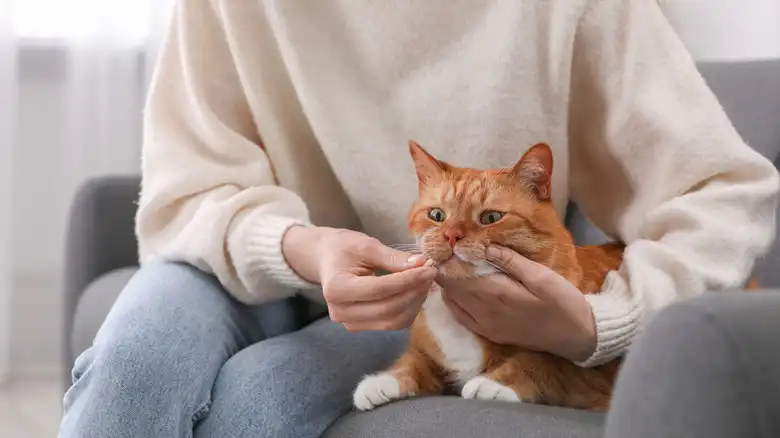
CatsCat HealthAmoxicillin Dose For CatsByAshley BrownUpdated: Dec. 10, 2024 1:34 pm ESTNew Africa/ShutterstockCat owners may often receive medications for their pets without knowing how or why the drugs work. It is helpful to become informed on the proper dosage and administration to better help their ill felines. Amoxicillin, a well-known medicine used to treat a variety of infections, can be prescribed only through a registered veterinarian. The handling of both the medicine and the cat patient, however, usually happens at home, and a general knowledge of what your cat is getting can ease your worries.What is amoxicillin for cats?Amoxicillin is a gram positive, penicillinl-ike antibiotic (as opposed to a tetracycline-type antibiotic) commonly prescribed in veterinary offices for cats and dogs worldwide. Because it is relatively low-cost and easy to produce, it has been used for a number of years in small-animal veterinary medicine, and its efficacy in felines is well documented.How does amoxicillin work in cats?Amoxicillin kills staphylococcus and streptococcus bacteria by inhibiting cell wall synthesis. It is prescribed for a wide variety of diseases, including ear infections, respiratory infections, and urinary tract infections. It is also used for all manner of skin infections and conditions, such as pyoderma and acute moist dermatitis. An oral medication, amoxicillin is particularly effective for cats because it has proven to be more readily absorbed than other antibiotics and is usually well tolerated.Elena Boltunova/iStock/GettyImagesForms of amoxicillin for catsUsually administered orally, amoxicillin can be found in both pill and liquid form. The pills, commonly trademarked under the brand name Amoxi-Tabs, can be found in 50, 100, 150, 200, and 400 milligram tablets. Liquid amoxicillin under the brand name Amoxi-Drop is available in a 50-milligram/milliliter oral suspension. This is the form most often prescribed for cats because of the ease of administration.Clavamox is amoxicillin that is combined with clavulanate potassium to treat felines who may have become resistant to regular amoxicillin. It is also available in both tablet and liquid forms.Amoxicillin dosage and duration for catsThe dose of amoxicillin depends on the weight of the cat and the severity of the infection. Per GoodRX, "The amoxicillin dosage for cats is about 10 mg/kg to 25 mg/kg of body weight every 12 hours." Amoxicillin is given by mouth, whether in tablet form or liquid oral suspension. Measure the liquid form carefully and shake well. It can be given with or without food. If your cat vomits after receiving medication on an empty stomach, give the amoxicillin with food. Make sure to give all required doses for the duration prescribed by your veterinarian, usually 10 to 14 days.Amoxicillin will begin working within about one to two hours. While effects may not be observable immediately, you should notice improvements in your cat and the symptoms of infection within a few days.rai/iStock/GettyImagesSide effects and risks of amoxicillin in catsAmoxicillin is usually well tolerated in cats. Although they may spit it out because of the taste, most cats will not suffer from any adverse reaction to either pills or liquid suspension. Allergic reactions are possible but rare. These can be characterized by swelling of the nose or mouth, skin redness, scratching, and labored breathing.Side effects of amoxicillin can include diarrhea or vomiting, but these reactions are fairly rare in cats. Animals who are allergic to penicillin should not be given amoxicillin. Any of these symptoms should be reported to the veterinarian immediately.The bottom lineAmoxicillin is an effective antibiotic used to treat a variety of bacterial infections in cats. Dosage of the medication will depend on your cat's body weight. All prescribed doses need to be administered. If your cat shows any sign of allergy to amoxicillin, however, stop the medication and contact your veterinarian immediately.
You've Been Warned: Don't Ignore Your Cat's Stinky Breath
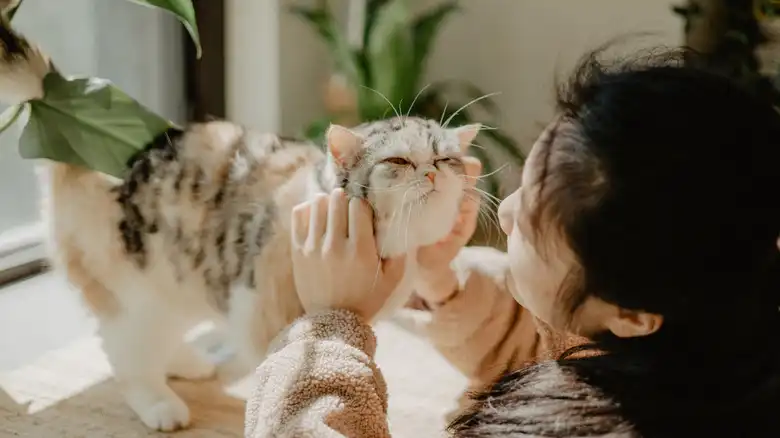
CatsCat HealthYou've Been Warned: Don't Ignore Your Cat's Stinky BreathByCori ChapmanDec. 12, 2024 9:25 am ESTQi Yang/Getty ImagesWe may receive a commission on purchases made from links.Given that cats feed on food like tuna, it's not so surprising that their breath doesn't smell like roses. After all, they don't have the ability to use products like dental floss and mouthwash like humans do. However, if your feline friend's breath has you covering your nose, it may warrant a deeper look. While stinky breath is not abnormal for cats, if it reaches a level of stench that is unbearable, it should not be taken lightly. According to Cornell University School of Veterinary Medicine, there are several concerning conditions that could be the culprit when your cat's breath is particularly unpleasant. Smelly breath — also called halitosis — can indicate signs of periodontal disease along with diabetes and diseases related to the kidney, skin, and liver.Periodontal disease is unfortunately quite common in cats — and painful. Some notable signs your cat may be suffering from the condition include bleeding gums, reduced appetite, abnormal coloring of the mouth (white, gray, or brown), and swelling around mouth and chin, per BetterVet. Gingivitis causes the gums to swell and bleed, so it is important to keep an eye on this before it progresses. You can tell if your cat has toothache or other dental issue by paying attention to their grooming and eating habits. A cat in pain will take longer to eat and clean themselves.Treatments for stinky breath in catsSata Production/ShutterstockBrushing your cat's teeth is a good way to prevent bad breath and also remove any food that may be stuck. There are specific dental gels for felines that can be found in stores or online. It is incredibly important to not use toothpaste that is not specifically for cats. The other point to remember is that brushing can get particularly tricky with some cats. But teasing a treat to go with it is a good way to trick them into a good brushing.If you are uncomfortable with brushing your cat's teeth, you can hire a professional, whether it be a pet groomer or a veterinarian. Pet stores like Petco offer dental cleaning services, but there are many other options. You can also purchase cat chew chows to promote playtime and dental health or dental chews that help keep a feline's teeth in good shape since they do not usually chew kibble. The only true remedy for feline gingivitis, meanwhile, is regular dental hygiene.There are several treatment options if your cat already has periodontal disease. For example, a veterinarian may remove plaque and mineral buildup while polishing the teeth. However, in extreme cases, they may extract teeth. There are veterinarians that specialize in dentistry, and there are benefits to bringing your cat to a specialist versus your regular veterinarian. Since they specifically focus on teeth, they will likely know more than a general veterinarian and ensure the best care.
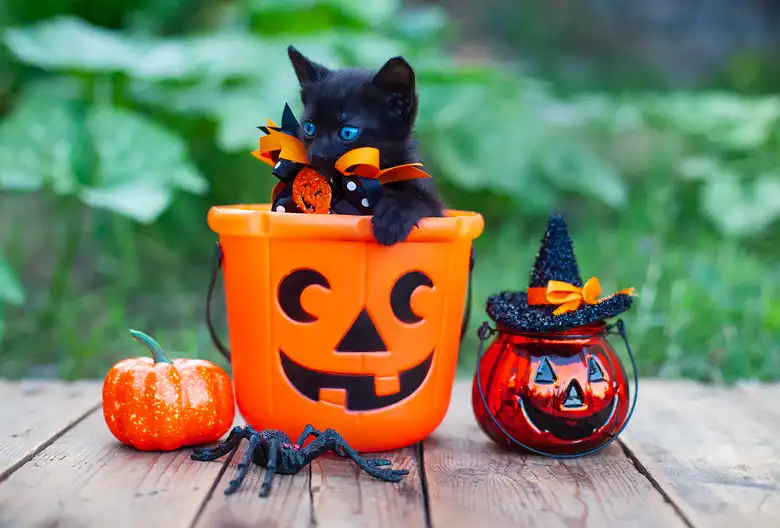
How Do I Keep My Cat Safe On Halloween?
CatsCat HealthHow Do I Keep My Cat Safe On Halloween?ByMila RingoUpdated Oct 9, 2023eli_asenova/E+/GettyImages #pccd112bd9de9cf1aa81d64a9f196ba6a, #pccd112bd9de9cf1aa81d64a9f196ba6a img { aspect-ratio: 5061/3428; height: auto; } In This ArticleHalloween decoration safetyCat Halloween safetyTrick-or-treatersHalloween nightThe bottom lineSpooky season is upon us, and getting ready for Halloween is an exciting tradition for many people. While Halloween is a fun holiday for humans, it can be scary and even dangerous for our pet cats. As you gear up for October 31, plan ahead to ensure that the feline members of your household stay safe and comfortable.Halloween decoration safety for catsHalloween decoration safety for catsMuch like Christmas tree ornaments, Halloween decorations can prove irresistible to curious cats. Cats can become tangled in lights, spiderwebs, and stringy decorations. When hanging these, place them high up and out of reach of cats. Check that your cat can't reach them by jumping onto furniture or shelves. If it's not possible to keep them out of reach indoors, move them outside or choose different decorations.If carving a jack-o-lantern is on your Halloween agenda, keep your pumpkin outside and away from inquisitive paws. The lit candles in jack-o-lanterns can be very attractive to cats, who may burn their nose or paws on them. Cats could potentially start a fire if they knock a jack-o-lantern over.More Like ThisCats18 Things People Who Grew Up With Cats Will UnderstandCats300 Female Cat Names For The Best Girl CatsCatsWhy Dogs Are Better Pets Than CatsWhen lighting your flame candle, choose a spot for it that is out of reach of them. Never leave a burning candle unattended with a pet inside. Flameless, battery-powered candles are a safer alternative. They come in a variety of styles to fit all your spooky decor needs.crisserbug/E+/GettyImages #ea932ef1bb214c0866a2b9b2a8a66fcdc, #ea932ef1bb214c0866a2b9b2a8a66fcdc img { display: block; aspect-ratio: 1.5Keep cats indoors on (and before) HalloweenKeep cats indoors on (and before) HalloweenAs your neighborhood gets into the Halloween spirit, the outdoors can become especially frightening for cats. The motion sensors, flashing lights, and noises of yard decorations can scare and disorient cats. A person wearing a Halloween costume can terrify cats, who are naturally wary of changes in their environment.Those with black cats are probably familiar with the superstition that black cats are unlucky, and you may have even heard that black cats are at risk of being deliberately harmed on Halloween. Luckily, there is no data to support the myth that black cats are in more danger than any other color of cat during the month of October.Alesmunt/iStock/GettyImages #ea1aead3b74ce36bb58fcb2729350b916, #ea1aead3b74ce36bb58fcb2729350b916 img { display: block; aspect-ratio: 1.4998211091234Still, any cat can become startled by decorations and costumes. When frightened, a cat's natural response to bolt can put them at risk of becoming lost, hit by a car, or stuck in a tight hiding spot.If your cat is allowed outside, put them on an indoor-only schedule once Halloween festivities begin. Your cat may not be thrilled about this arrangement, but it is safest for cats to stay inside to avoid becoming lost or injured.Trick-or-treaters and catsTrick-or-treaters and catsPassing out candy to trick-or-treaters is a favorite Halloween activity for many, but this tradition is far less enjoyable for our feline friends. With their excellent hearing, cats are particularly sensitive to loud or sudden noises. A night of continuous door knocking, doorbell ringing, and loud voices can be frightening for cats. Cats can be overwhelmed by a lot of people coming and going — especially while in costume.Cats are expert escape artists, and opening the door to trick-or-treaters provides an easy opportunity for them to bolt outside. If you plan to pass out candy, set up shop outside your front door to greet trick-or-treaters. This will keep you from opening and closing the door multiple times and will minimize the noise your cat will be exposed to. If you won't be home on Halloween night, set a candy bowl outside and tape a sign to your door instructing people not to knock.Keep Halloween candy in a safe place out of reach of your cat. There may be xylitol in Halloween candy, and this artificial sweetener is toxic to cats even in small doses. Candy wrappers and choking hazards like lollipop sticks also pose a danger to kitties.Theresa Donahue McManus/Moment/GettyImages #e31ce4d343cd8088d1869a209848e2324, #e31ce4d343cd8088d1869a209848e2324 img { display: block; aspect-ratio: 1.483793517407Keeping your cat safe on Halloween nightKeeping your cat safe on Halloween nightWhether you're hosting a Halloween party or heading out for the night, set your cat up in a quiet room away from noise and activity. Place food and water bowls, a litter box, and a cozy bed in the room. Give cat treats and attention to reassure your cat.A pheromone spray or diffuser can have a calming effect on nervous kitties. Odorless to humans, these products contain ingredients made to mimic a cat's natural pheromones.Both indoor cats and outdoor cats should have an ID tag and microchip with your contact information. Outdoor cats should be brought inside on Halloween for their safety.OsakaWayne Studios/Moment/GettyImages #efe281588c22f133c26da918663240ef3, #efe281588c22f133c26da918663240ef3 img { display: block; aspect-ratio: 1.5The bottom lineThe bottom lineBetween the decorations, costumes, knocking at the front door, and trick-or-treaters, Halloween can be a scary time of year for cats. Cats are sensitive to sound and changes in their environment, and they can become lost or injured outside during spooky season. These Halloween safety tips will ensure you enjoy the holiday while keeping your cat safe.ReferencesUSA Today: Black Cats Getting Harmed During Halloween is Just "Pure Myth"Sunnyview Vet Care: Xylitol Toxicity in Cats and Dogs
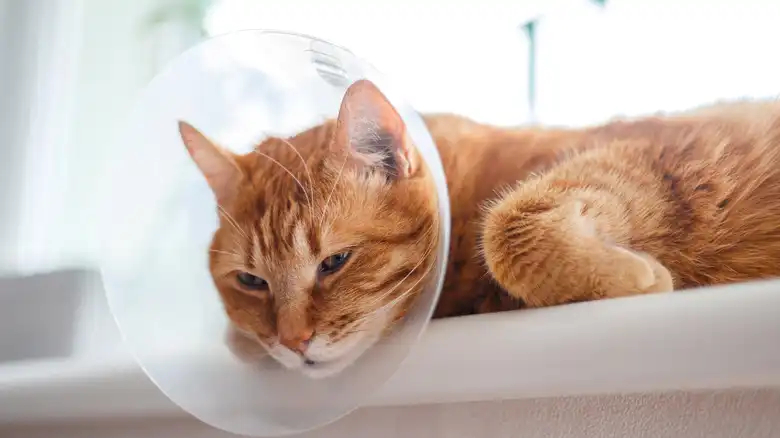
How To Feed A Cat Who Is Wearing A Cone Around Its Head
CatsCat NutritionHow To Feed A Cat Who Is Wearing A Cone Around Its HeadByPaige CerulliUpdated: Dec. 2, 2024 4:32 pm ESTTarasBeletskiy/ShutterstockWe may receive a commission on purchases made from links.Cuteness may earn compensation through affiliate links in this article.Sometimes, the things that are best for our cats are also things they really, really dislike. If your cat is ever injured or has surgery, she may need to wear a cone or e-collar. Chances are that your cat is going to be less than thrilled when you put that cone on her. Luckily, Fit the cone properlyIf your cat needs to wear a cone, ask your vet for cat cone advice. Your vet can help you to find a cone that's the right size for your cat. A cone that's too big will be heavy and cumbersome, but a cone that's too small won't be effective in keeping your cat from licking his wound.To size an e-collar or cat cone, measure the length running from the base of your cat's neck to his nose. The collar needs to be long enough to reach to or just past your cat's nose when it's on. When fitting the collar, you should be able to fit two fingers between the base of the collar and your cat's neck. Make sure that your cat can comfortably breathe and swallow when the collar is in place.Setting up food and waterYou may need to reposition your cat's food and water dishes while she's wearing a cone. Raising the food dishes up so that they're 2 to 4 inches off the ground can help your cat to more easily eat and drink from them. Your cat will probably be clumsy initially, so you may want to put down a mat beneath the dishes in case she knocks them over.Some cats find that it's easier to eat and drink out of a saucer than it is to use a dish that has raised edges. The dishes' diameters will need to be smaller than the cone in order for your cat to eat from them.When your cat is new to wearing the cone, she may be reluctant to eat or drink. Hand feeding her can help her to get used to this process. If your cat continues to refuse to eat, contact your vet to see if you could remove the cone and supervise her as she eats.Cat cone alternativesIf your cat just isn't doing well wearing an e-collar, you may want to look into some alternatives. Some cats may cope better with a soft foam collar. Sungrow Post-Surgery Dog & Cat Recovery Collar comes in cute colors such as pink polka dots. The soft edges make it easier for your kitty to navigate to her food without toppling it over.There are also a number of inflatable collars that don't extend as far around the cat's face as traditional e-collars do. Some cats may enjoy these inflatable options because they can hear and see better with them on. You may also be able to fit your cat with a cloth recovery suit to cover the injury or incision as it heals.Give her a breakIf your cat hates the cone collar, you can periodically remove it to give your cat a break. However, only do this during times when you're able to focus all of your attention on watching your cat. If your cat starts to lick his wound or removes his stitches, you may have to go back to the vet, and the healing time (and the amount of time your cat will need to wear a cone) will increase.With a little time, your cat should get used to the cone and be able to eat and drink comfortably. In most cases, your cat will only need to wear the cone for a short time, and then he'll be thrilled when the cone is finally removed.ReferencesVCA Hospitals: Elizabethan Collars in CatsPreventive Vet: Your Cat in a Cone: Elizabethan Collar DesensitizationHealthy Paws Animal Hospital: Elizabethan Collars (E-Collar)Always check with your veterinarian before changing your pet's diet, medication, or physical activity routines. This information is not a substitute for a vet's opinion.
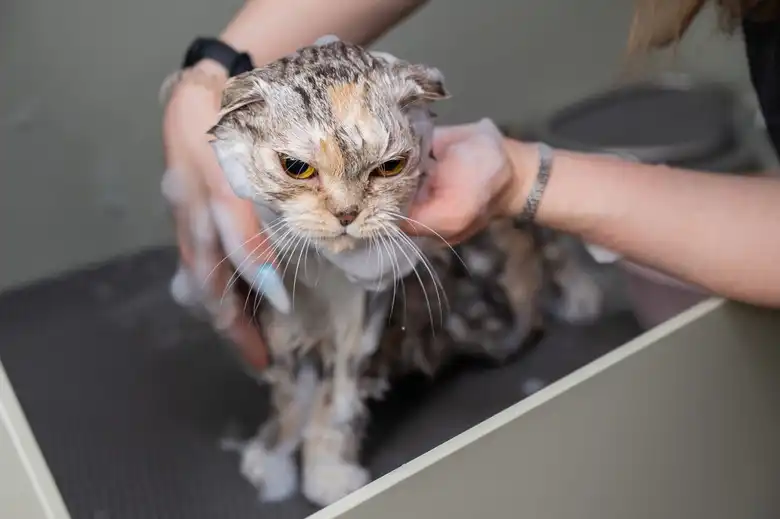
Do Cats Need Baths?
CatsCat HealthDo Cats Need Baths?ByKrissy HowardSep 1, 2023 11:03 am ESTinside-studio/iStock/GettyImages #p5cdd85b3cbee2536513193b294c8db54, #p5cdd85b3cbee2536513193b294c8db54 img { aspect-ratio: 5735/3816; height: auto; } In This ArticleDo cats need a bath?When to wash your catHow to bathe your feline friendThe bottom lineMost people with dogs offer their canine companions an occasional bath, but what about cats? Do they need help bathing? Some situations will call for a bath, like flea infestations, sticky messes, and of course, the dreaded skunk encounter, but most cat parents don't subject their cats to tub time, and for good reason!Do cats need a bath?Do cats need a bath?No, in most cases, housecats do not need to be given baths by their human caretakers. Why? Cats are fastidious and frequent groomers who are designed to keep themselves clean. You may have noticed your own cat licking their fur, their paws, and even wiping their own faces, which is not only extremely adorable but effective at removing dirt and other buildup!Most cats typically spend between 30-50% of each day grooming themselves and mainly use their tongues to get the job done. A cat's tongue, which many people describe as feeling like sandpaper, is covered in filiform papillae, which are tiny reverse-facing barbs that essentially comb through hair and remove dirt and debris. These barbs are also able to distribute a cat's skin oils, known as sebum, throughout the body, keeping your cat's skin and fur healthy and hydrated, and preventing build-up from forming. Perhaps even more interesting, because the barbs are hollow, they can actually wick moisture by pulling water up according to a 2018 study published in the National Library of Medicine, so if your cat gets wet they can actually dry themselves off, with some effort.More Like ThisCatsAutomatic Cat Feeders Are Taking Over TikTok. Should You Get One?Cats22 Cats Who Are You At A PartyCats17 Cat Photos That Will Have You Smashing the LOL Reaction ButtonLike all domesticated pets, however, certain times may call for certain measures, especially if you have a long-haired cat, an outdoor cat, or an older, physically-limited cat who needs help grooming themselves.ozkan uner/iStock/GettyImages #e284276de672a34944d3d9f025d44d183, #e284276de672a34944d3d9f025d44d183 img { display: block; aspect-ratio: 1.5When to wash your catWhen to wash your catAlthough most cats don't need to be washed with water and shampoo, some cats, especially the long-haired varieties, may need help grooming. This usually includes brushing tangles out of their fur, removing matted pieces of hair, and wiping around their eyes and noses. Other cats may not be able to reach certain parts of their bodies to groom themselves effectively, like their backs, and may need dander, dead skin, and loose hair wiped or combed away. Additionally, cats with skin conditions or other physical ailments may need help grooming themselves in areas they can't reach, such as a cat wearing an e-collar for healing purposes.Marie-Claude Lemay/E+/GettyImages #e0b960ff284a49c89046af8b401ee4f0b, #e0b960ff284a49c89046af8b401ee4f0b img { display: block; aspect-ratio: 1.4815732424899How to bathe your feline friendHow to bathe your feline friendThe best way to bathe a cat will depend on your cat's temperament and the reason for bathing them. Many cats don't appreciate being soaked in water and shampoo, in which case cat cleansing wipes or a cleaning foam or spray may be the best idea. These can be especially helpful for cats who do need regular baths or help grooming as it is quick and easy, and probably won't upset your furry friend too much.If your cat will tolerate a bath with water, or if you have an especially big mess that only shampoo and water can handle, there are some steps you can take to make bath time a bit easier for both of you!Do a quick pre-grooming. The less time in the tub the better, so before you hop in, use a brush to remove any loose hair and debris. If it's possible, give your cat's nails a quick trim before their bath to keep both of you safe and more comfortable.Find a comfortable temperature. Filling a small tub with lukewarm water or warm water that's not too hot or cold can be more comfortable than running a shower head over them. If you do opt to use a shower to bathe your cat, one with a detachable shower head will offer the most flexibility and is less likely to scare them as you can run the water close to their skin.Grab a quality cat shampoo. You may be tempted to use whatever human shampoo you have on hand for your cat, especially if it's not a regular thing, but pet products like cat shampoos are formulated to work with the pH of a cat's skin to lessen irritation, burning, and bad skin reactions. If you're giving your cat a flea bath, make sure to use a medicated flea shampoo and read the directions before using it for the best results—you will need to let the shampoo sit on your cat's skin for around 5 to 10 minutes to eliminate those bugs.Mind the face. Most cats do not appreciate water in their faces, so it's best to keep a gentle hand here and wipe them down quickly. You can use a wet washcloth or even a cotton ball to wipe your cat's fur around their eyes, nose, mouth, and ears.Get them dry. When it's time to step out of the tub, gently wrap your cat in a clean large towel, but don't worry too much about scrubbing them totally dry—just do your best to soak up some of the water, then let them be on their way.Oksana Restenko/iStock/GettyImages #e2f48324c6c6ea768b72165425d9915ef, #e2f48324c6c6ea768b72165425d9915ef img { display: block; aspect-ratio: 1You may want to reward your cat for a job well done after or during your bath, which may help them form positive associations with bath time to make future baths a bit less miserable. Similarly, you can keep your cat engaged with their favorite activity or treat before or during the bat to distract them, and help them pass the time.The bottom lineThe bottom lineCats don't need frequent bathing from their pet parents because they are excellent groomers who can, and do, easily wash themselves. Their tongues are covered in hollow barbs called papillae that not only brush through fur and debris, but also distribute saliva and healthy oils around the body, and wick moisture as well. While most cats won't need regular baths, some may need occasional help grooming and bathing, especially if they have medical conditions that lead to limited mobility and can't reach areas like their backs or near their tails. If you do need to bathe your cat, be sure to use cat shampoo and lukewarm water for a comfortable and effective experience, or a waterless cat shampoo or cat wipes if your cat won't tolerate the tub.ReferencesCornell Feline Health Center: Cats That Lick Too MuchNational Library of Medicine: Cats use hollow papillae to wick saliva into fur
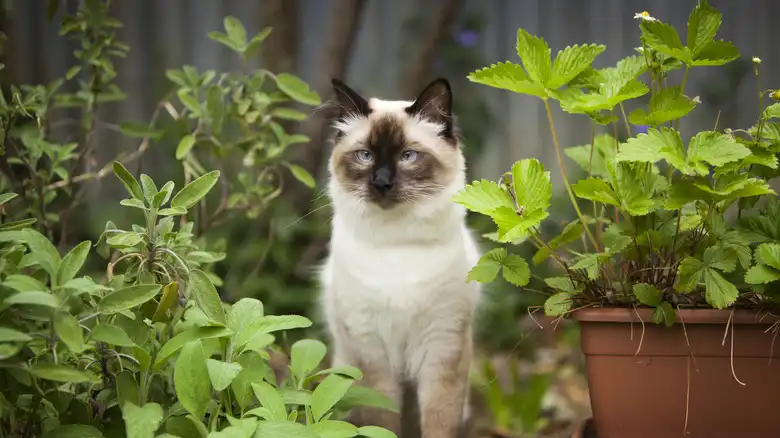
Is Burning Sage Safe For Cats?
CatsCat HealthIs Burning Sage Safe For Cats?ByJacquelyn LewisUpdated: Dec. 9, 2024 5:14 pm ESTBy Jbfotoblog/Getty ImagesSage is known for its pleasant aroma, and some people also believe the herb has metaphysical properties, lighting bundles of it to cleanse a new space, banish negative energy, or promote healing and clarity. However, cat owners often ask if they should avoid burning sage near their pet. That's a good question given that many herbs are toxic to cats. However, sage is rarely worrisome when it comes to using it in a house with felines.What is sage?Sage, or Salvia officinalis, is an herb in the mint family (the mint family also includes catnip and oregano), and it comes in a few varieties. Common sage is used in recipes and medications, while another type of the herb, white sage, is bundled for burning.Can cats eat sage?Yes, cats can eat sage. This herb is safe for cats in the garden, so plant it without concern. Sage is not harmful to felines if ingested in small quantities, and the American Society for the Prevention of Cruelty to Animals (ASPCA) Animal Poison Control Center lists it as nontoxic for felines.If a cat eats a very large quantity of sage leaves, they might experience stomach upset, vomiting, and diarrhea, so it is still a good idea to monitor your cat when they have access to sage plants, especially if they are known to chomp on houseplants or other greenery.elvis901/iStock/GettyImagesIs burning sage safe for cats?Yes, it is generally safe to burn sage around cats. The smoke from burning sage is not more harmful than burning a pet-safe candle or incense. However, cats with respiratory conditions, like asthma, might find the smoke irritating. You also need to be wary of a curious cat singeing their paws or batting burning sage out of its container. Keep a close eye on your cat if you are burning sage in their vicinity, and if you have any concerns about your cat's respiratory system, you should consult your veterinarian before burning sage near your pet.Danai Jetawattana/iStock/GettyImagesHow to burn sage near catsSage is burned loose in a fireproof bowl or tied in a bundle. Ignite the sage and then blow it out to release its incensed smoke. Hold the burning sage over a burn bowl to catch embers. Slowly wave the burning sage around the room. When doing a smudging ceremony, you'll open windows and doors to let out negative energy.If you're burning sage for the pleasant smell alone, keep in mind that without circulation, such as an open window, polycyclic aromatic hydrocarbons — chemicals that are harmful to health — can rise to levels similar to those in the home of a smoker. This can result in cats suffering respiratory irritation, especially if they have preexisting conditions, such as asthma or bronchitis.Is sage safe for cats?Yes, sage is generally safe for cats. However, if your furry friend starts sneezing or has watery eyes while you are burning sage, immediately move the cat to another well-ventilated room when you are burning sage. A cat's upper-respiratory tract is more sensitive than humans, so it's best they are not near smoke. If you keep your cat in the room with you, keep a careful eye on the sage to make sure your cat's curiosity doesn't result in singed paws from hot embers getting knocked out of the burn bowl.Cavan Images/Cavan/GettyImagesHerbs toxic to catsSage is nontoxic to cats, so don't worry if your kitty nibbles a few leaves while you're setting up. However, that is not true of all herbs used for similar purposes, and anything eaten in large enough quantities can be harmful. Essential oils, even sage essential oil, are very dangerous for cats because cats cannot tolerate the ketones and phenols in these products. In extreme cases, liver failure can result.Herbs toxic to cats on their own include chives, garlic, St. John's wort, chamomile, cannabis, and lemon grass. Even plants considered nontoxic can cause gastrointestinal upset and vomiting but not a condition that is life-threatening. If you suspect that your cat has ingested a toxic plant, you should contact your veterinarian immediately.The bottom lineSage is usually safe for felines, including if they ingest the herb or if they are nearby when sage is being burned. However, pet owners should use caution if their cat has known respiratory issues, as sage smoke might exacerbate the problem. Cats should also not be allowed to eat large amounts of sage because large amounts can cause stomach upset. Always consult with your veterinarian if you have questions or concerns regarding your cat's health or safety.